Time of Use Battery Savings: Does the Math Add Up?

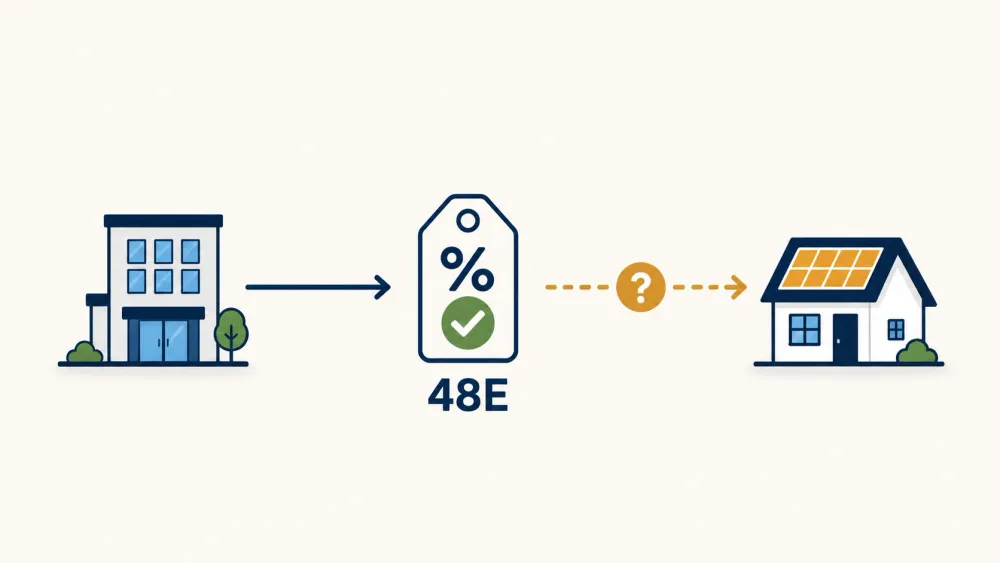
In the United States, yes, but not for you directly. Section 48E, a business investment tax credit, can still be claimed on a solar system installed in 2026, but only by the company that owns it, meaning a lease or PPA provider, not a homeowner who buys. Any benefit from that reaches you only indirectly, through the rate the company offers, and no specific passthrough amount is guaranteed or published anywhere. The mechanism, and why it matters, is explained below.
Reviewed on August 17, 2026. Next review: September 17, 2026. This is general information about a federal tax provision, not tax advice, and it is not a statement about what any specific lease or PPA offer includes. This article cannot tell you what you personally will receive, because that depends on a contract and a provider's own pricing decisions, not on the tax code alone. For your own situation, talk with a qualified tax professional and read the terms of any offer directly.
Section 48E did not disappear when Section 25D, the homeowner credit, expired at the end of 2025. It is a separate provision, and it was written for businesses that own qualifying clean electricity facilities, not for the individual who hosts one on their roof.
When a solar company leases you a system or sells you its output through a power purchase agreement (PPA), the company, not you, owns the equipment, and the company, not you, is the taxpayer eligible to claim a credit on it. You do not file for Section 48E on your own return, and nothing about a lease or PPA changes what you can or cannot claim under Section 25D, which remains unavailable for 2026 installs either way. Whether any of the company's credit shows up in what you pay each month is a separate question, covered next.
Section 48E is the Clean Electricity Investment Credit, a technology-neutral replacement for the older Section 48 energy credit, generally available to qualifying facilities and energy storage technology placed in service after December 31, 2024, under final Treasury and IRS regulations. According to the IRS's own description of the credit, the base rate is 6% of a project's qualified investment, and that rate can rise to as much as 30% if the project meets the law's prevailing wage and registered apprenticeship requirements, with further percentage points available for projects that meet domestic content or energy community conditions. The credit is structured around who owns and operates the qualifying property, not around what kind of building or roof it sits on. That is why a company that owns systems it installs on many homeowners' roofs, the way lease and PPA providers do, can be the taxpayer that claims this credit on that equipment, in the same way it could on a commercial rooftop or a solar farm.
A tax credit claimed by a business lowers that business's own cost of owning the equipment.
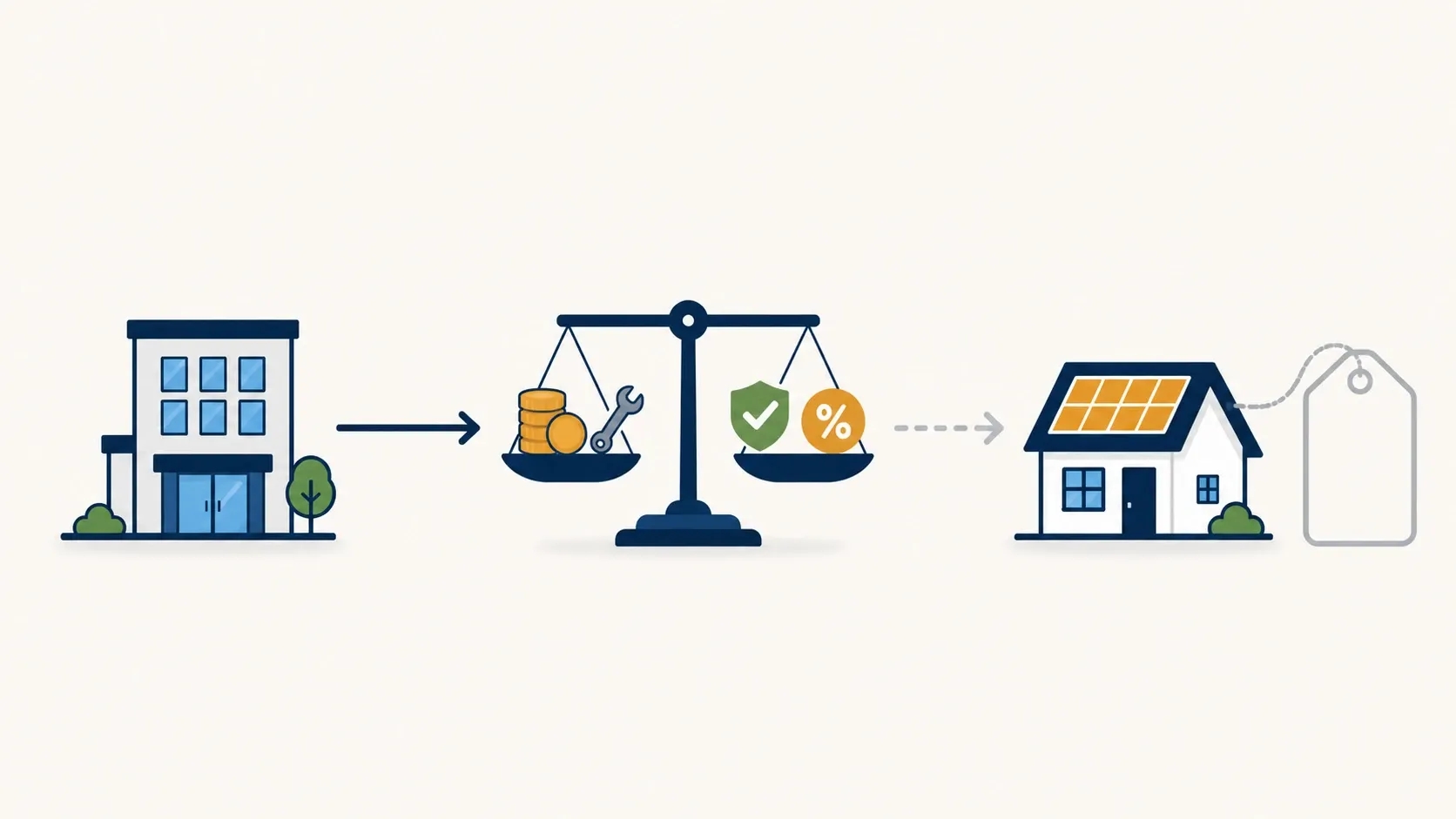
How much of that lower cost gets reflected in what it charges you is a pricing decision the company makes on its own, weighed against its financing costs, installation costs, insurance, service obligations, and margin. No named source, not the IRS, not the Department of Energy, not the DSIRE incentive database, publishes a standard passthrough rate, because there isn't a public program that sets one. This article is not going to print a percentage or a dollar estimate for what reaches your rate, because doing so would be a guess dressed up as a fact. If a lease or PPA offer is genuinely reflecting credit value, that should show up as a lower quoted rate compared with buying an equivalent system outright, not as a marketing claim about the tax code by itself.
Before 2026, a homeowner who bought a system outright could claim 30% of the qualified cost back directly through Section 25D. A company leasing or selling PPA power on an equivalent system could separately be eligible for its own investment credit under the prior version of this rule. Both paths touched a federal credit in some form. With Section 25D gone for any 2026 or later purchase, that symmetry is broken: a cash or loan buyer now has no federal credit exposure at all, while a lease or PPA route still has a chance of one, through 48E, sitting somewhere inside the company's cost structure. That asymmetry is real and sourced to current law. It is not the same thing as proof that leasing produces a better financial outcome for any specific reader, since the amount that reaches your rate is unpublished and the ownership, maintenance, and resale trade-offs between buying and leasing did not go away. Lease vs Buy After the Credit Expired: What Actually Changed works through that fuller comparison, and Is There Still a Federal Solar Tax Credit in 2026? covers the buyer's side of this same 2026 picture in more depth.
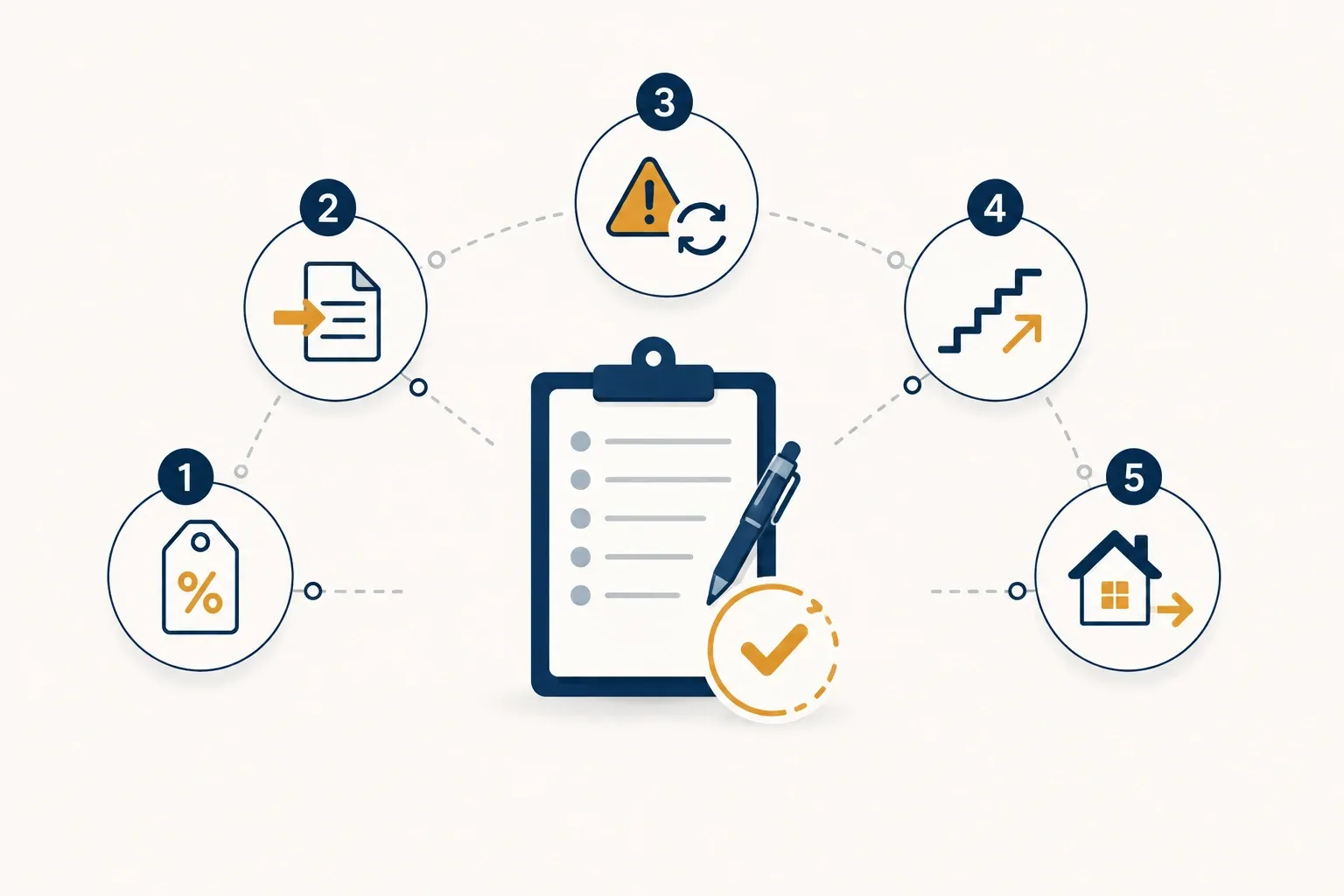
Before treating any lease or PPA quote as if it already reflects a 48E credit, ask the provider directly:
A provider that cannot answer the first two plainly is not automatically a reason to walk away, since the underlying tax position on a given project can be genuinely complex. It is a reason not to accept a comparison built on an assumed benefit nobody can confirm. This site does not recommend or rank any lease or PPA provider; how to pay for a solar system at all, including cash, loan, lease, and PPA side by side, is covered in Cash, Loan, Lease or PPA: How to Pay for Solar in 2026.
Section 48E does not run forever under current law, and its deadlines are part of why a lease or PPA offer today is not automatically the same offer it would have been a year ago. Under IRS Notice 2025-42, a wind or solar project generally needed to begin construction by July 4, 2026, twelve months after the One Big Beautiful Bill Act's enactment, to lock in a longer completion window running to 2030. A project that did not meet that construction-start test instead has a harder placed-in-service deadline of December 31, 2027, under the same law. By the time you are reading this, the July 2026 construction-start date has already passed. That does not mean every current offer is shut out. Companies that lease or sell PPAs across many homes commonly establish construction-start status for a batch of projects in advance of an individual sale, so whether your specific offer falls inside the earlier window or is racing the 2027 deadline is not something you can determine from outside the company. It is exactly the kind of detail worth asking about directly, using the questions above, rather than assuming either answer.
Section 48E is one piece of a wider 2026 incentive picture. Solar Incentives in the US in 2026: What Actually Survived maps how it fits alongside Section 25D, net metering, and state programs, and Are Solar Panels Still Worth It in the US in 2026? covers whether solar still makes financial sense once all of that is accounted for.
Do I claim the Section 48E credit if I lease my solar system? No. The company that owns the leased or PPA-financed system is the eligible taxpayer, not you. You do not file for it on your own return, and it is a different provision from the homeowner credit, Section 25D, which expired for any system placed in service after December 31, 2025.
How much of the 48E credit gets passed through to my lease rate? There is no published figure. It is a private pricing decision each provider makes, weighed against its own costs and margin. Ask the provider directly whether and how their rate reflects it, and treat any specific percentage you see elsewhere as unverified.
Does a lease or PPA still qualify for 48E if I sign in 2026? It may, but that depends on whether the specific project met the construction-start safe harbor around July 4, 2026, under IRS Notice 2025-42, or must instead be placed in service by December 31, 2027. Ask the provider which deadline their project is working against.
Is leasing automatically the better financial choice now that 25D is gone? Not automatically. The federal picture has genuinely shifted in favor of leases and PPAs having a credit to work with at all, but ownership, maintenance responsibility, resale complications, and the actual quoted rate all still matter. See the fuller comparison for how those factors weigh against each other.
Where can I read the actual rules instead of a summary? The IRS's page on the Clean Electricity Investment Credit and IRS Notice 2025-42 on beginning-of-construction rules are both published on IRS.gov and available to read without a preparer account.
One email a week with new guides, tips, and solar news. Zero fluff, no sales pitch.