Do I Need a Battery With Solar? The Real Trade-Off

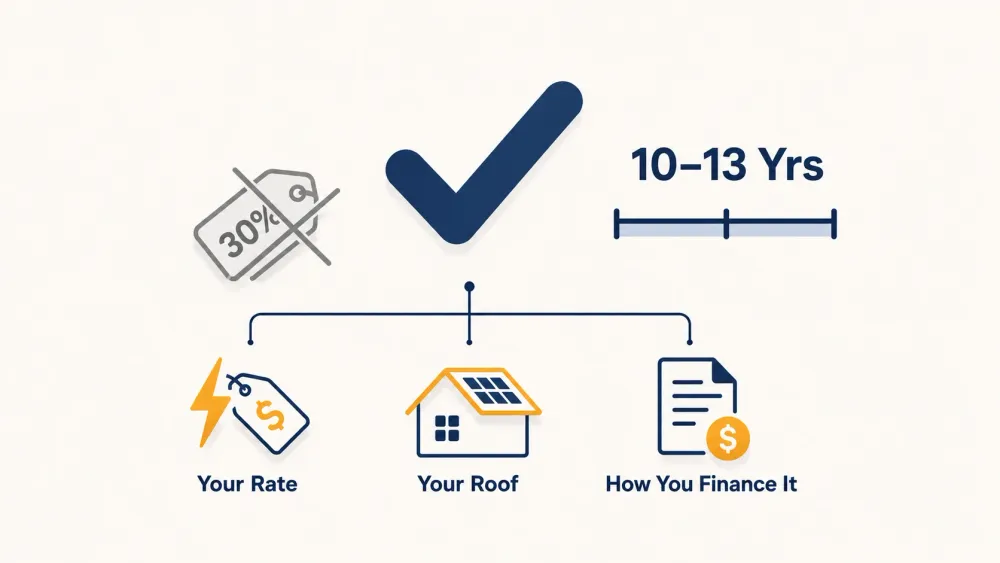
For most U.S. homeowners, the honest answer is still yes, but the math changed. The 30% federal residential solar tax credit (Section 25D) expired on December 31, 2025, so anyone buying a system with cash or a loan in 2026 gets zero federal credit. Payback for a purchased system now commonly runs 10 to 13 years in national estimates, shorter in high-electricity-rate states. Whether it pays for your house depends on your electricity rate, your roof, and how you finance it, not on a single national verdict.
That last sentence matters more than it looks. Most of what ranks for this question in 2026 either still assumes the credit exists, or gives a single national number and moves on. Neither is useful if you're the one deciding.
Under the One Big Beautiful Bill Act, signed July 4, 2025, the residential Section 25D credit ends for any system placed in service after December 31, 2025. If you buy with cash or a loan in 2026, the federal credit on that purchase is $0. There is no phase-down and no grace period for buyers who missed the deadline.
Two things did survive, and they explain why you may still see "30% credit" mentioned in 2026 marketing. First, if a system was installed and operating in 2025, that owner can still claim the credit on their 2025 taxes, and any amount larger than their tax bill carries forward to future years. Second, the business-side credit under Section 48E still reaches homeowners indirectly, but only through a lease or a power purchase agreement (PPA), where a third-party company owns the system, claims the 48E credit itself, and in theory passes some of that value through in a lower rate. That distinction, and what it means for the four ways you can actually pay, is covered in Cash, Loan, Lease or PPA: How to Pay for Solar in 2026.
If you're weighing whether the credit's disappearance was the deciding factor either way, the full timeline of what changed and what didn't is in What Changed for Solar Buyers When the 30% Federal Credit Expired.
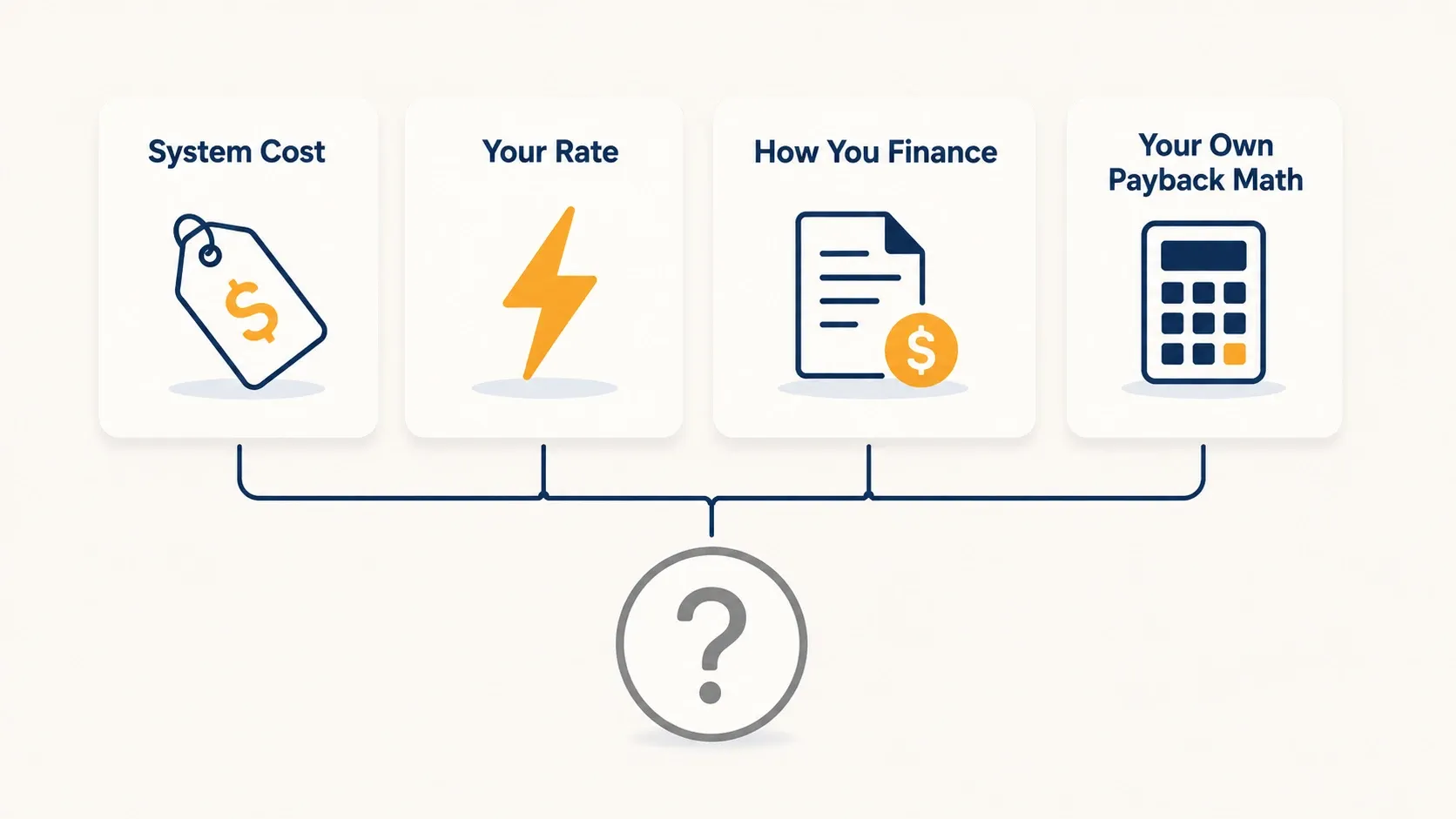
"Is solar worth it" sounds like a yes-or-no question. It isn't. It depends on:
None of these four questions has a universal answer, which is why a page that gives you one number and stops has not actually answered your question.
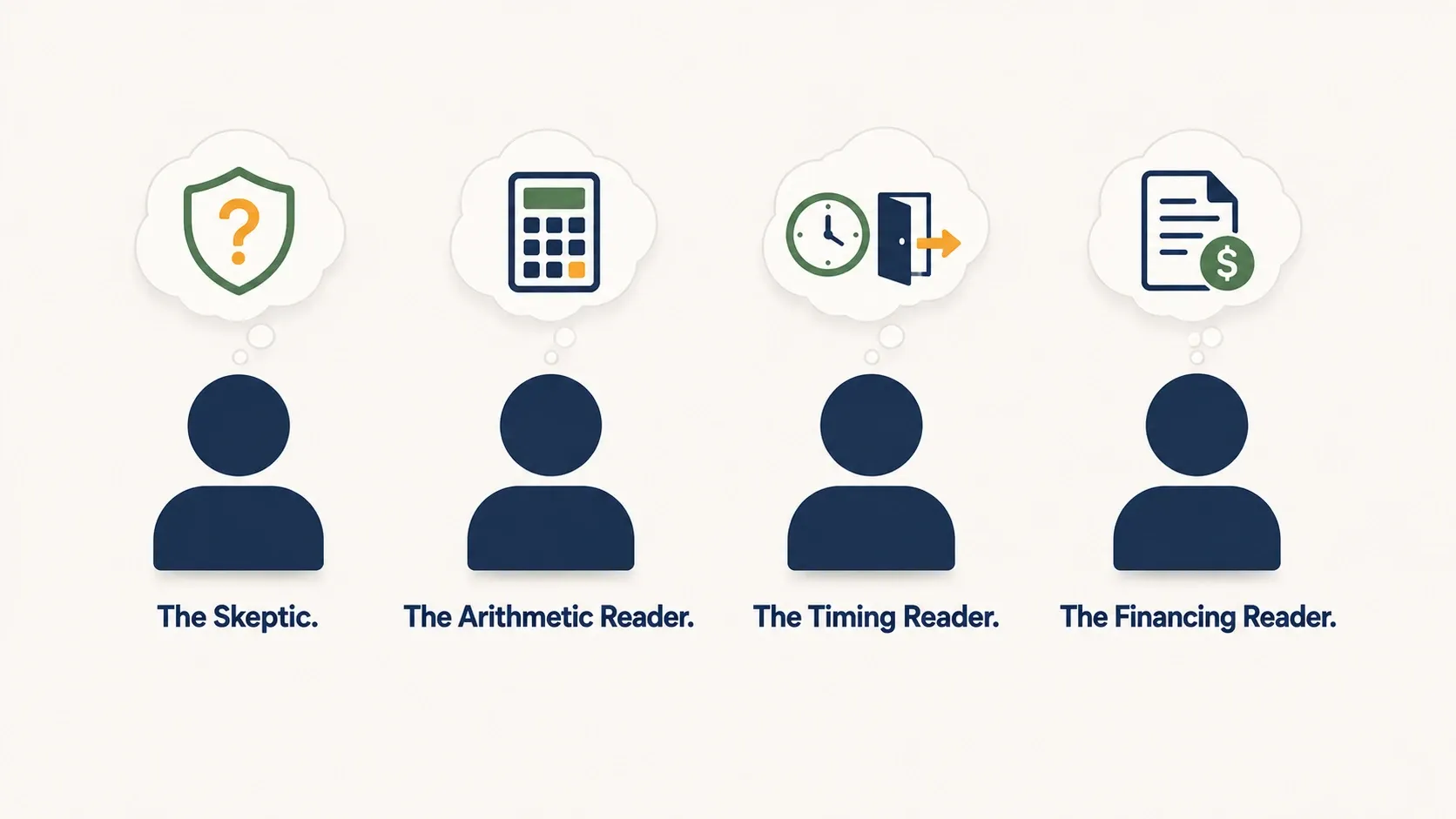
Almost everyone who types this question is actually one of four different people:
The skeptic wants to know if this is a scam or a legitimate purchase before they'll even consider a number. The arithmetic reader already believes solar can work and wants the actual formula for their own bill, not a marketing claim. The timing reader heard the credit ended and wants to know if they missed a window that will never reopen. The financing reader has accepted the purchase logic and now wants to know which of the four ways to pay is least likely to cost them more than advertised.
If you know which of the four you are, the linked articles above go directly to your question instead of making you read past the other three.
A page that only ever says yes isn't giving you an honest answer. Solar tends to make less sense, at least for now, if your roof has significant shading for most of the day, if you plan to move within two or three years (a purchased system's value mostly compounds over a much longer horizon), if your current electricity rate is already unusually low, or if you cannot get a firm, itemized quote you actually understand. None of those situations are permanent, and none of them make solar a bad idea everywhere; they just mean the "yes" above doesn't automatically apply to your specific roof and bill yet.
This page is the starting point for a cluster of articles on the economics of home solar in the US after the credit changed. From here:
More on how this site sources and reviews its claims is on the About page.
Is solar still worth it now that the 30% federal tax credit is gone? For most homeowners, yes, though the payback period is longer than it was in 2025. Whether it's worth it for your specific house depends on your electricity rate, your system cost, and how you finance it, which is why this site treats it as four separate questions rather than one verdict.
Did I miss my chance by not installing solar in 2025? No, but the federal incentive picture is different now. A 2025 install could still claim the 30% Section 25D credit on that year's taxes; a 2026 purchase gets $0 federally. Installing in 2026 can still make financial sense, it just runs on a different set of numbers, covered in what changed when the credit expired.
Is a national average payback period a reliable number for my house? No. A national average blends every state's electricity rate and every installer's pricing into one figure that describes nobody's actual bill. Use your own numbers with the method in Solar Payback Period: How to Calculate Yours.
Does a solar lease still get any tax credit if I don't own the system? Not directly to you. The leasing or PPA company owns the system and can claim the Section 48E business credit, and may pass some of that value through as a lower rate. You, as the homeowner, do not personally claim a federal credit under a lease. See Cash, Loan, Lease or PPA for how the four payment structures compare.
Where can I check how this site sources its claims? Every dated or financial claim on this site links to its source in the article itself, and the site's approach to sourcing and reviewing content is described on the About page.
One email a week with new guides, tips, and solar news. Zero fluff, no sales pitch.