Do I Need a Battery With Solar? The Real Trade-Off

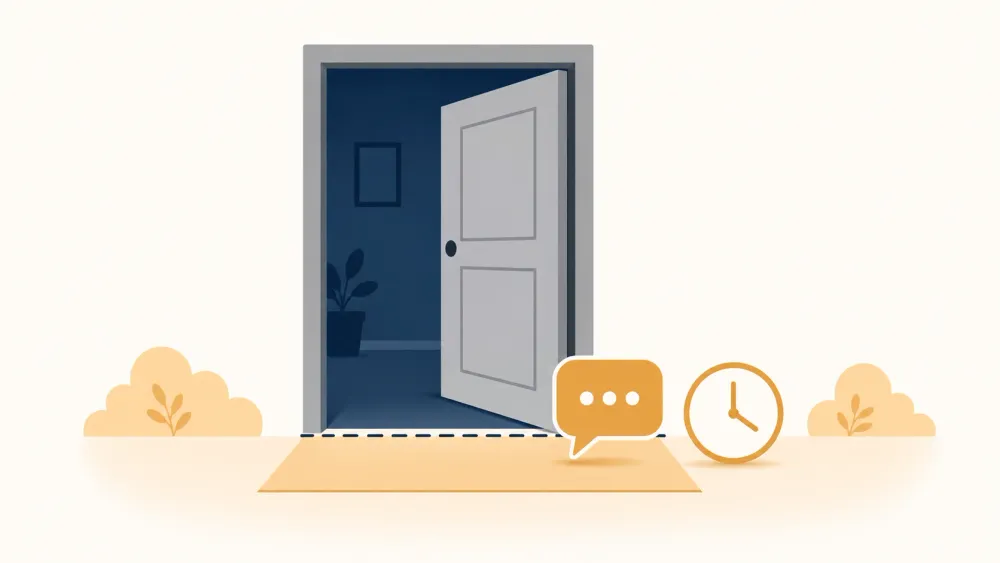
United States only. This page names no company, quotes no figure, states no cancellation period and contains no price. It is about the doorstep as a decision environment.
The doorstep is not a neutral place to make a large financial decision, and it was not chosen because it is convenient for you.
That is the whole of this article. Everything else follows from it.
Not a conspiracy, an economics problem.
Acquiring a residential solar customer is expensive, and that cost is real regardless of how the customer is found. A company that finds customers through search, referrals and a showroom pays for it one way. A company that finds them by knocking pays for it another way, in door-to-door commission.
Either way, the cost lands in the price of the system. Which means the question at the door is not whether the person is honest. It is whether a channel built on same-day conversion is a channel you want to buy a twenty-year commitment from.
And the incentive is specific: a representative paid on signed contracts is paid for compressing your decision into the visit. Nothing about that requires anybody to lie for it to be a bad environment for you.
You do not need a strategy. You need three sentences and a piece of paper.
"I do not discuss financial decisions at the door."
"Leave a card and a written proposal and I will read it."
"If I want to proceed I will contact you."
Then close the door. That is a complete and polite interaction and you owe nothing further. You are not obliged to explain, to hear the pitch out, or to justify declining.
If you want to keep the option open, ask for the company's full legal name, its state contractor license number and the representative's name, write them down, and check them later. That takes fifteen seconds and it is more useful than anything you would learn from a twenty-minute conversation.
If you have already engaged, get these before they leave. Written, not verbal.
Three different companies in one transaction is normal in this industry and is not itself a red flag. Not knowing which of them you have a contract with is.
Four that come up constantly and that you can check in minutes.
"You have been selected", or anything about an allocation, a program or a quota for your area. Incentives exist, some have caps, and none of them selects a house or sends a representative to it.
Anything implying they are from the utility or a government body. Verify with a number you look up yourself. Not one they give you.
A rate or tariff claim. What you would be paid for exported electricity, and what happens to that arrangement over time, is set by your utility and your state, and it changes. What net metering is and why the version you are on matters is the background; the current answer for your address is your utility's to give.
A tax credit claim about your situation. Whether any credit applies to you, and how much of it you could use, depends on your tax position, which a stranger at your door does not know. How the federal credit works as a mechanism is a fact about the statute. Whether it helps you is a question for a tax professional.
This is the section to read first if it applies to you, and then to stop reading and act.
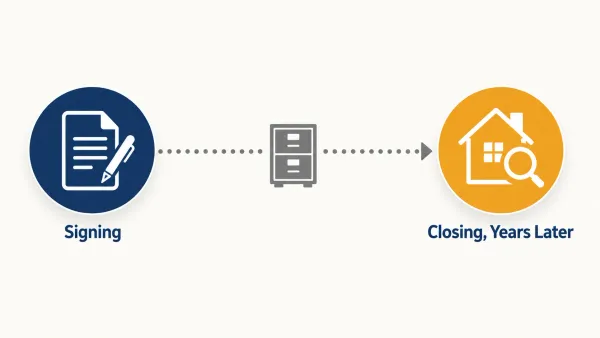
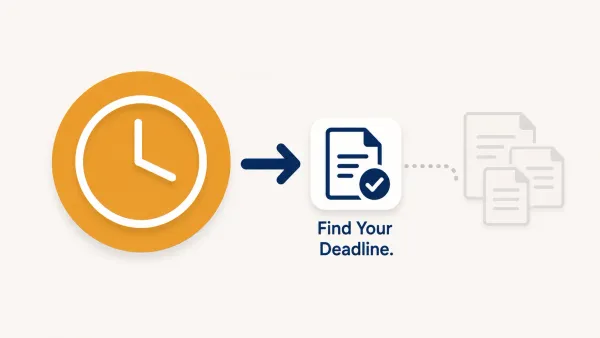
There is very often a cancellation right for sales made at your home, arising from federal rules and from state law, and it is time-limited. We are not stating a period here. The federal rule and your state's rule may differ, the details matter, and a wrong number on this page could cost somebody their right to cancel.
What to do, today, in this order:
1. Find the contract and read the cancellation section. It is required to be there in most circumstances, and it usually specifies the method and the deadline.
2. Call your state attorney general's office or consumer protection division. They will tell you the applicable period and the correct method, for free, for your state. This is the phone call that matters and it should happen before anything else.
3. If you cancel, do it in writing, by the method the contract specifies, and keep proof of sending. A phone call to the salesperson is not a cancellation.
4. Do not wait to see whether the company responds. The clock is on the contract, not on the conversation.
5. If the window has passed, that is an attorney's question, and in many places a consumer law attorney will assess it at no cost. It is not something this site can answer, and any page that offers you a method for exiting a signed twenty-year agreement is offering legal advice it is not qualified to give.
Nothing here says do not buy solar. It says do not buy it at a door.
The alternative costs two weeks and gets you a better outcome:
1. Decide whether it makes sense for you at all, on your own numbers. Whether solar is worth it depends on your electricity rate more than on anything a salesperson controls.
2. Get three written quotes, from companies you approached.
3. Compare them properly. Reading three proposals side by side is a skill, and the differences that matter are rarely the headline price.
4. Check every company with your state licensing board and your attorney general's office.
5. Decide with nobody in the room.
A company that would have been a good choice at your door is still a good choice two weeks later. The only thing you lose by waiting is the pressure.
What do I actually say at the door? Three sentences do the whole job. "I do not discuss financial decisions at the door." "Leave a card and a written proposal and I will read it." "If I want to proceed I will contact you." Then close the door. That is a complete and polite interaction, and you are not obliged to explain yourself, hear the pitch out or justify declining.
I signed at my door. How long do I have to cancel? This page does not state a period, because cancellation rights for sales made at your home come from federal rules and from state law, they differ, and a wrong number here could cost somebody their right to cancel. Find the contract and read its cancellation section, then call your state attorney general's office or consumer protection division, which will tell you the applicable period and the correct method for your state at no charge. If you cancel, do it in writing by the method the contract specifies and keep proof of sending.
Three different companies are named in my paperwork. Is that a red flag? Not in itself. One company selling, another installing and a third holding the loan or lease is normal in this industry. Not knowing which of them you have a contract with is the problem. Get the seller's full legal name and state contractor license number, who would do the installation, and who holds the finance, in writing, before they leave.
Can the person at my door tell me what the federal tax credit is worth to me? No. How the credit works is a fact about the statute. Whether any credit applies to you, and how much of it you could actually use, depends on your tax position, which a stranger at your door does not know. That is a question for a tax professional.
Does this mean I should never buy solar from a company that knocks? Nothing here says do not buy solar. It says do not buy it at a door. Decide on your own numbers, get three written quotes from companies you approached, compare them properly, check each one with your state licensing board and your attorney general's office, and decide with nobody in the room. A company that would have been a good choice at your door is still a good choice two weeks later, and the only thing you lose by waiting is the pressure.
The doorstep is a decision environment designed by somebody else, and the compensation structure behind it rewards same-day signatures. Say you do not discuss financial decisions at the door, ask for a written proposal, and close it. Write down the legal company name and license number and check them yourself. Verify any claim about a utility, a government program or a tax credit with the body named, using a number you look up. And if you already signed, call your state attorney general's office today, because cancellation rights are real, time-limited, and specific to where you live.
One email a week with new guides, tips, and solar news. Zero fluff, no sales pitch.