Oversize Solar System NEM 3.0? What to Weigh

United States only. This page names no company, quotes no figure and contains no price. Every number in it is one you get from your own bill and your own proposal.
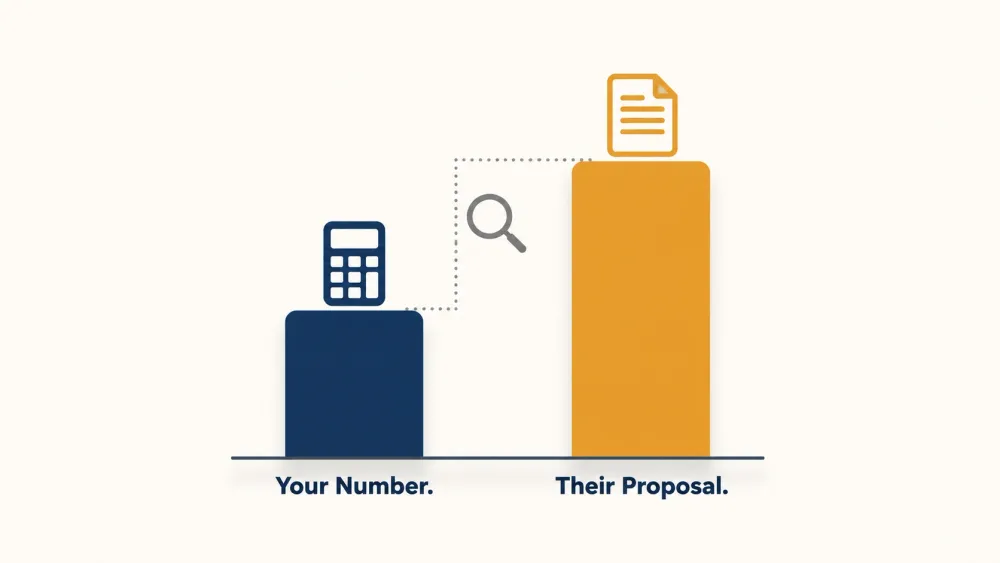
You did the arithmetic, they came back with a bigger system, and both of you can be right. Six assumptions inside a proposal push the number upward. Some are sound engineering, some are choices somebody made on your behalf, and one is the compensation structure.
All six are checkable, and asking about them is the whole of this article.
A larger system is a larger contract. That is true and it is not an accusation, because it does not by itself explain a bigger number: the five reasons below are real and would produce a bigger number in the hands of somebody paid a flat fee.
The useful posture is not suspicion. It is asking which of the six is operating, because the answer is in the proposal and a competent company will walk you through it.
The most common single cause, and it is not a trick.
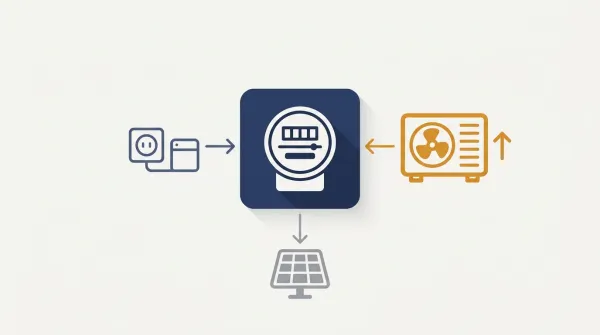
You probably used a recent bill, or an average of a few. A proposal is usually built on twelve months of consumption, because seasons differ enormously, and it may be built on data pulled from the utility rather than from the bills you looked at.
Twelve months and three months are different numbers, and if the three you picked were mild months, yours is low.
Ask: what annual consumption figure did you use, and where did it come from? Then check it against your own twelve months. Finding your real annual usage on your utility bill is the number that anchors everything downstream, and it is worth having before any conversation.
Offset is the proportion of your annual consumption the system is intended to cover, and it is a target somebody chose.
Many proposals default to covering all of your consumption. That is a default, not a law of physics, and depending on your tariff and your rate structure, covering all of it may or may not be the best financial outcome for you.
Ask: what offset are you targeting, and why that number?
Then ask for a second proposal at a lower offset. This is the single most useful request in this article and almost nobody makes it. Two proposals from the same company at two sizes lets you see what each additional increment of system actually costs and returns, which is the comparison that answers your question.
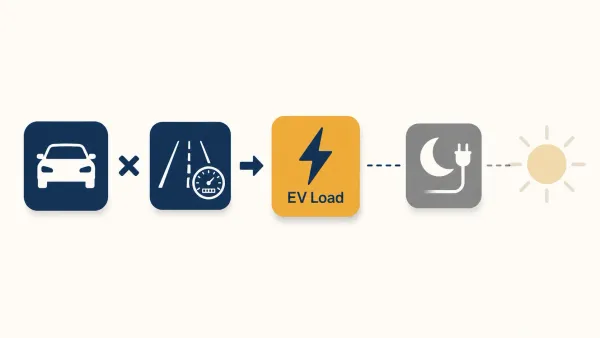
Some proposals size for what you will use rather than what you do use: an electric vehicle, a heat pump, air conditioning, a growing household.
That is legitimate and it should be explicit. A system sized for a car you have not bought is a decision, and it should be one you made.
Ask: does this size assume any future load, and if so, what?
Panels produce less over time, and a real system loses some output to wiring, inverter conversion, temperature, soiling and shading. A competent design accounts for both.
This is sound engineering and it does push the size up. It is also a place where the assumptions vary, and what a production estimate is built from and which inputs to check is where those assumptions live.
Ask: what derate and what degradation did you assume?
Sometimes the size is not chosen at all. Panels come in fixed sizes, they have to fit in rows on usable roof planes, and the practical layout may only work at certain totals.
A design constrained by geometry is a legitimate reason for an odd size, and a good proposal shows you the layout so you can see it.
Ask: is this size driven by the roof layout, and can I see the plan?
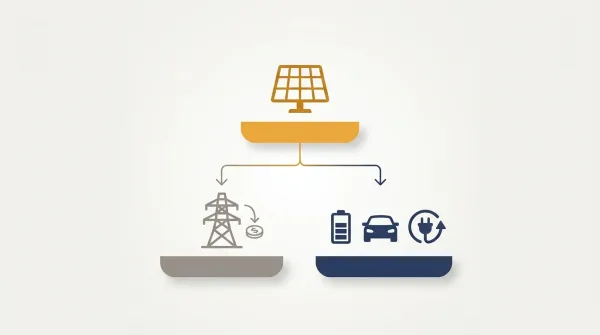
On some tariffs, exporting more electricity is worth much less than it used to be, which changes whether a larger system pays. On others it still pays well.
This is the assumption with the most money attached and the one most likely to be out of date, because export rules change. What net metering is and why the version you are on matters so much is the background, and export arrangements differ substantially by state.
Ask: what tariff did you assume, what did you assume I would be paid for exports, and is that arrangement scheduled to change?
Ask every company for two proposals: one at their recommended size, and one at roughly the size you calculated.
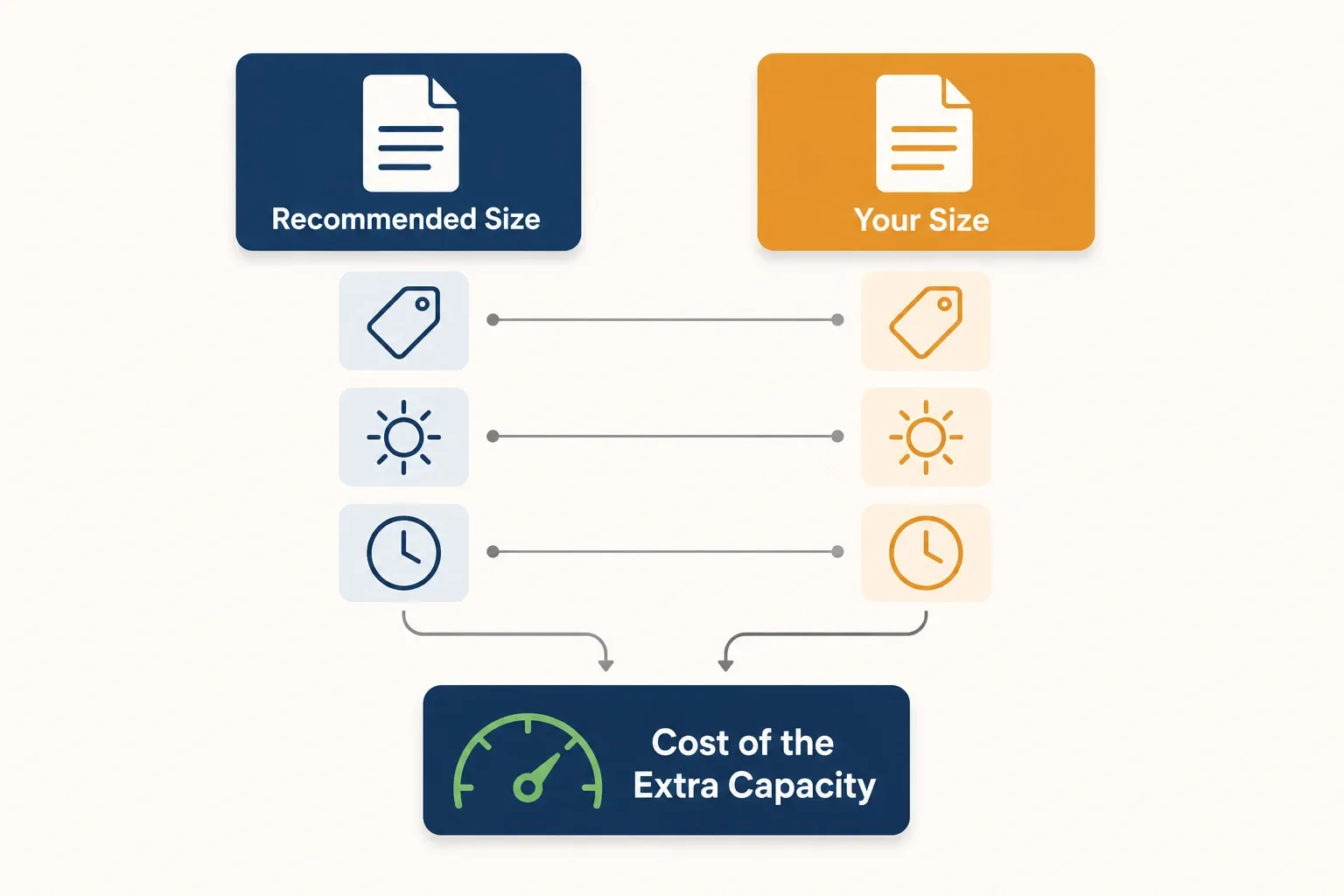
Set them side by side and look at:
That last line is the actual question. If the extra increment of system pays back faster than the first increment, larger is genuinely better for you. If it pays back much more slowly, you are buying capacity that earns less.
A company that will not produce a second proposal has told you something. It takes minutes in their software.
Not a rhetorical concession. Four cases where the larger number is the better buy:
You are electrifying something. A car, heating, or both. Sizing once is cheaper than adding later, because a second installation carries a second lot of fixed costs.
Your roof has one good plane and adding to it later is awkward.
Your tariff pays well for exports. Where it does, extra capacity earns.
Fixed costs dominate. Permitting, design, interconnection, labor mobilization and the inverter are largely the same whether the array is a little smaller or a little larger, which is why cost per watt usually falls as systems get bigger. That is a real economy and it is the strongest argument for the larger number.
Your tariff pays poorly for exports. Then production beyond your own consumption is worth much less, and the marginal panels earn little.
You are financing and the payment matters. A larger system is a larger commitment, and what the financing actually costs is a separate question from what the system costs.
Your consumption is likely to fall. Children leaving, retirement, an efficiency project.
You are unsure about staying in the house. A larger system is a larger thing to transfer or pay off.
Before any of this, do the arithmetic yourself once. Twelve months of kilowatt-hours off your bills, divided by twelve, is your monthly average. Compare that against the annual production figure in the proposal.
If the proposal's production is far above your annual consumption and no future load was mentioned, that is the question to ask first.
Is a bigger recommended system automatically an upsell? No, and treating it that way will lead you wrong. A larger system is a larger contract, which is true and worth knowing, but it does not by itself explain a bigger number. Five of the six causes are legitimate and would produce a bigger number in the hands of somebody paid a flat fee: a different consumption figure, a different offset target, an allowance for future loads, degradation and loss assumptions, and roof geometry. The useful posture is not suspicion but asking which of the six is operating, because the answer sits in the proposal and a competent company will walk you through it.
Why is their annual consumption figure higher than the one I worked out? This is the most common single cause and it is not a trick. You probably used a recent bill or an average of a few, while a proposal is usually built on twelve months of consumption, because seasons differ enormously, and it may use data pulled from the utility rather than the bills you looked at. If the months you picked were mild ones, your number is low. Ask what annual consumption figure they used and where it came from, then check it against your own twelve months.
Should I be aiming to cover all of my electricity use? Many proposals default to covering all of your consumption, and that is a default rather than a law of physics. Whether covering all of it is the best financial outcome for you depends on your tariff and your rate structure, so this page cannot tell you the right offset and no page can. Ask what offset they targeted and why that number, then ask for a second proposal at a lower offset.
How do I tell whether the extra size is worth paying for? Ask every company for two proposals, one at their recommended size and one at roughly the size you calculated, then set them side by side and compare the total price of each, the estimated annual production of each, the payback of each on the same assumptions, and what the difference between them costs per unit of extra production. That last line is the actual question. If the extra increment pays back faster than the first increment, larger is genuinely better for you; if it pays back much more slowly, you are buying capacity that earns less. A company that will not produce a second proposal has told you something, because it takes minutes in their software.
Is a larger system ever the better buy? Yes, in four situations. If you are electrifying something such as a car or heating, sizing once is cheaper than adding later, because a second installation carries a second lot of fixed costs. If your roof has one good plane and adding to it later is awkward. If your tariff pays well for exports, since extra capacity then earns. And because fixed costs dominate: permitting, design, interconnection, labor mobilization and the inverter are largely the same whether the array is a little smaller or a little larger, which is why cost per watt usually falls as systems get bigger. Smaller wins where exports pay poorly, where financing payments matter, where your consumption is likely to fall, or where you are unsure about staying in the house.
Six things push a proposal's size up: a different consumption figure, a different offset target, an allowance for future loads, degradation and loss assumptions, roof geometry, and the tariff. Five are legitimate engineering and one is that a bigger system is a bigger sale. Ask which are operating, ask what offset was targeted and why, and then ask for a second proposal at the size you calculated. The cost and return of the difference between the two is the answer, and it takes the company five minutes to produce.
One email a week with new guides, tips, and solar news. Zero fluff, no sales pitch.