Oversize Solar System NEM 3.0? What to Weigh

United States only. Nothing here is a substitute for a licensed electrician's or a licensed solar contractor's assessment of your panel and backup capacity.
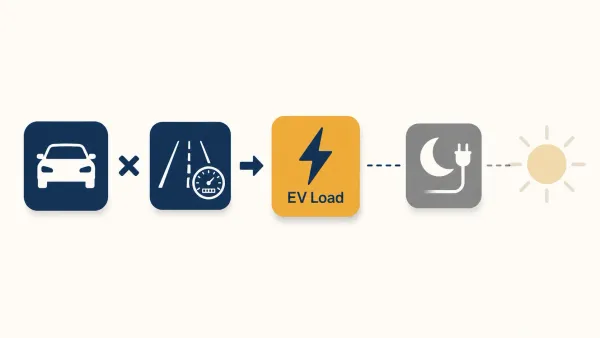
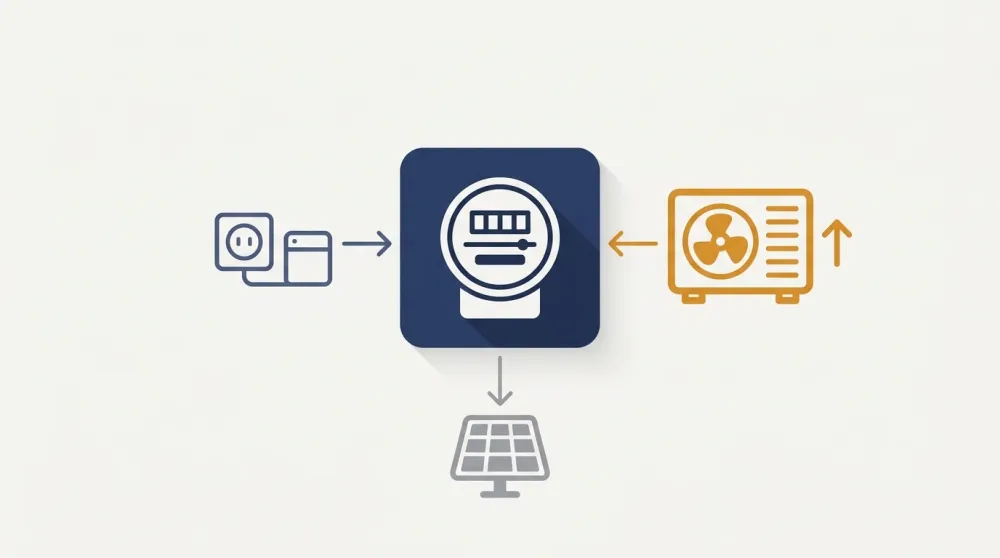
Solar panels for a heat pump home have to cover a load that didn't exist when most sizing rules of thumb were written. A heat pump moves your space heating, and often your water heating, onto the same electric meter as everything else in the house, and it typically draws far more of that meter's total than the air conditioner it replaces. Sizing the system means calculating that added load first, then asking whether the export rate your utility pays makes covering all of it worth the extra panels. The panel count comes last, not first.
A heat pump doesn't ask a solar proposal for "a few more panels." It asks for a number: how many kilowatt-hours it will draw in a year, given the size of your home's heating requirement and the unit's efficiency at your local climate.
That number usually starts from a contractor's Manual J load calculation, the standard heating-and-cooling load estimate HVAC professionals run for a home. Divide the heating load by the heat pump's seasonal performance factor, the ratio of heat delivered to electricity consumed, and you have the electricity the unit will draw to heat the house through a typical year.
Subtract what the air conditioner it replaces already used. A heat pump does the job of your existing AC in summer and adds space heating in winter, so the added load solar has to cover is the difference, not the whole heating total. Skipping that subtraction is the most common way a proposal overstates how many extra panels a heat pump requires.
Instead of pinning a kilowatt-hour figure that varies by climate, unit, and home, start from your own numbers. Finding your actual annual kWh usage on your utility bill before and after a heat pump goes in, if you already have one, or asking your HVAC contractor for the Manual J-based estimate before you have one, gives a sizing conversation something real to work from.
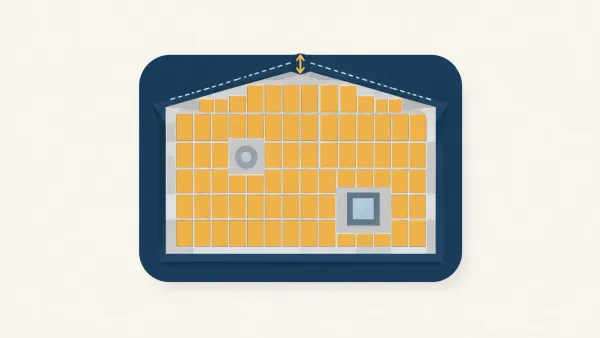
A heat pump is also a convenient justification for a bigger system than your actual numbers call for. It is real future load, which makes it easy for an installer to size generously and call the difference "headroom," rather than "margin they didn't ask you to approve."
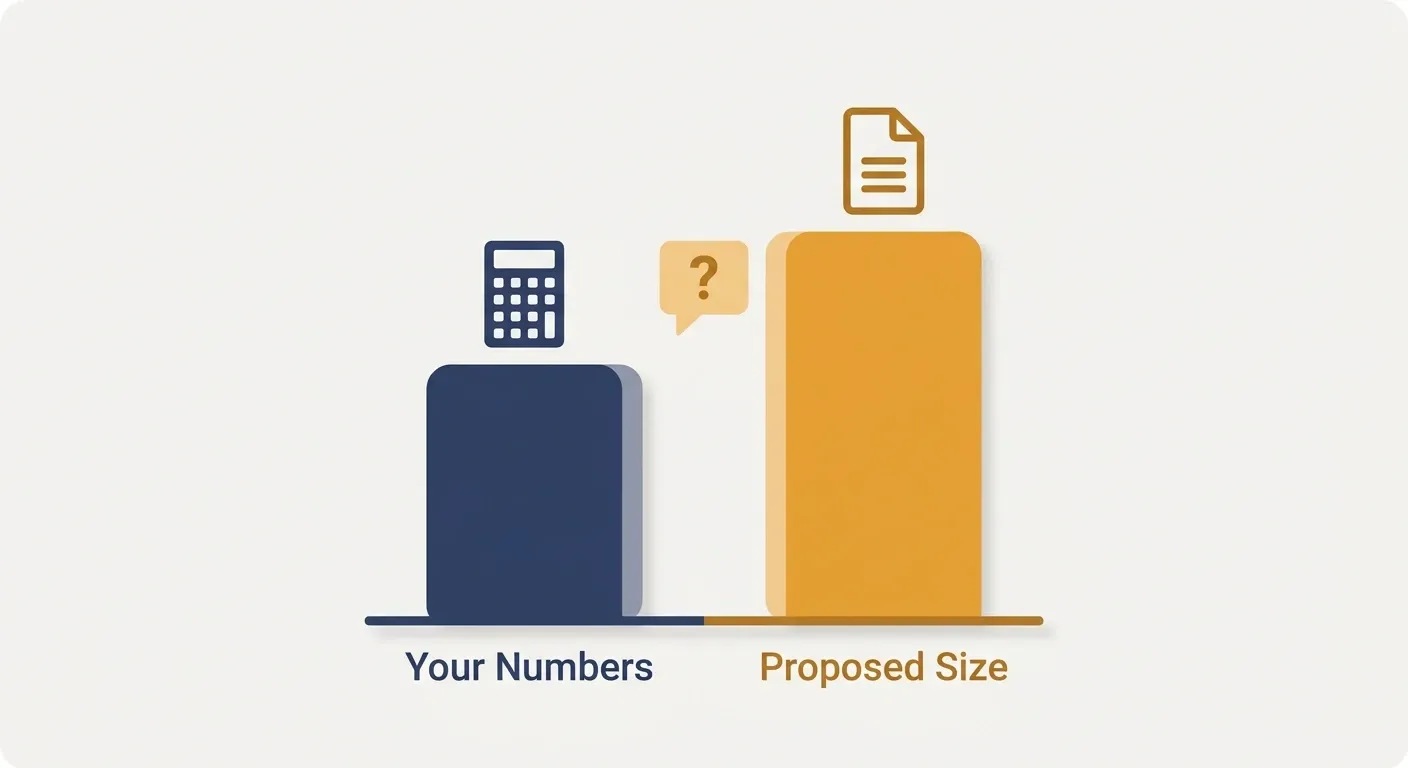
That is not automatically wrong. Some of it is a genuine economy: permitting, design, interconnection paperwork, and crew time cost roughly the same whether the array is a little bigger or not, so adding panels during the same install often costs less per watt than a second project after the heat pump goes in. But that economy is the installer's argument to make explicitly, with your numbers, not an assumption baked into a bigger proposal by default.
Why the system an installer proposes often runs bigger than your own usage would justify is worth reading before signing, because the honest version of this conversation states the heat pump's expected load as its own line item, sourced to a Manual J number, rather than folding it into a round increase in panel count.
Even a correctly sized addition doesn't automatically pay for itself, and the reason is timing, not the math on the roof.
A heat pump's biggest draw usually lands in winter, often overnight or in the early morning when it's coldest and solar panels are producing least or nothing. Whether the summer surplus your added panels generate actually offsets that winter draw depends entirely on what your utility credits for exported electricity, and that varies by state and can change.
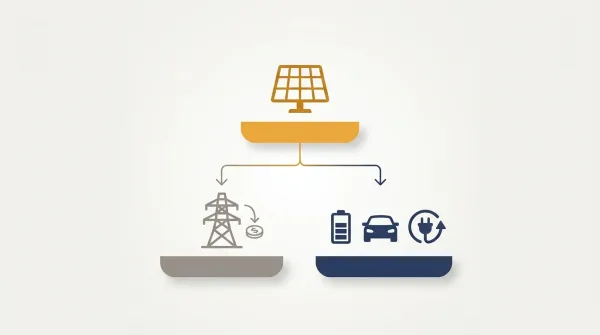
Under a net metering arrangement that credits exports near the retail rate, a kilowatt-hour sent to the grid in July and one drawn back in January are worth close to the same thing, so building extra capacity to cover a heat pump's annual total is a reasonable target. Under an export rate set well below retail, which a growing number of states and utilities use, that summer surplus is worth less than the winter electricity it's meant to offset, and what offset percentage the proposal is actually targeting stops being a reliable stand-in for what the heat pump addition is actually worth.
DSIRE, the Database of State Incentives for Renewables & Efficiency maintained by the NC Clean Energy Technology Center and read September 18, 2026, is the place to check what your state and utility currently pay for exported solar electricity, since net metering rules are set state by state and are revised on an ongoing basis. Confirm the current figure with your own utility's tariff before treating any export rate as settled.
Adding a heat pump changes another decision too: what a battery backup is supposed to keep running during an outage.
A backup system sized for "essential loads" before the heat pump went in, covering a refrigerator, some lighting, and a few outlets, was never sized to also run a heat pump's compressor and auxiliary heat strips. Asking that same backup circuit to also carry the heat pump during an outage risks overloading it, whether the overload trips a breaker or, in a poorly protected system, damages equipment.
Deciding which circuits a backup system carries, and whether that includes the heat pump, is panel and backup-system sizing work, and it belongs to a licensed electrician, not a homeowner's guess. Whole-home backup and partial (essential-loads) backup are different products with different equipment and different costs, and which one a heat pump home needs is an assessment a licensed electrician makes against your actual panel capacity and your heating equipment's actual draw, not a default a proposal should apply without that assessment.
A proposal that adds panels for a heat pump should show its work. Four things are worth asking for in writing before signing anything.
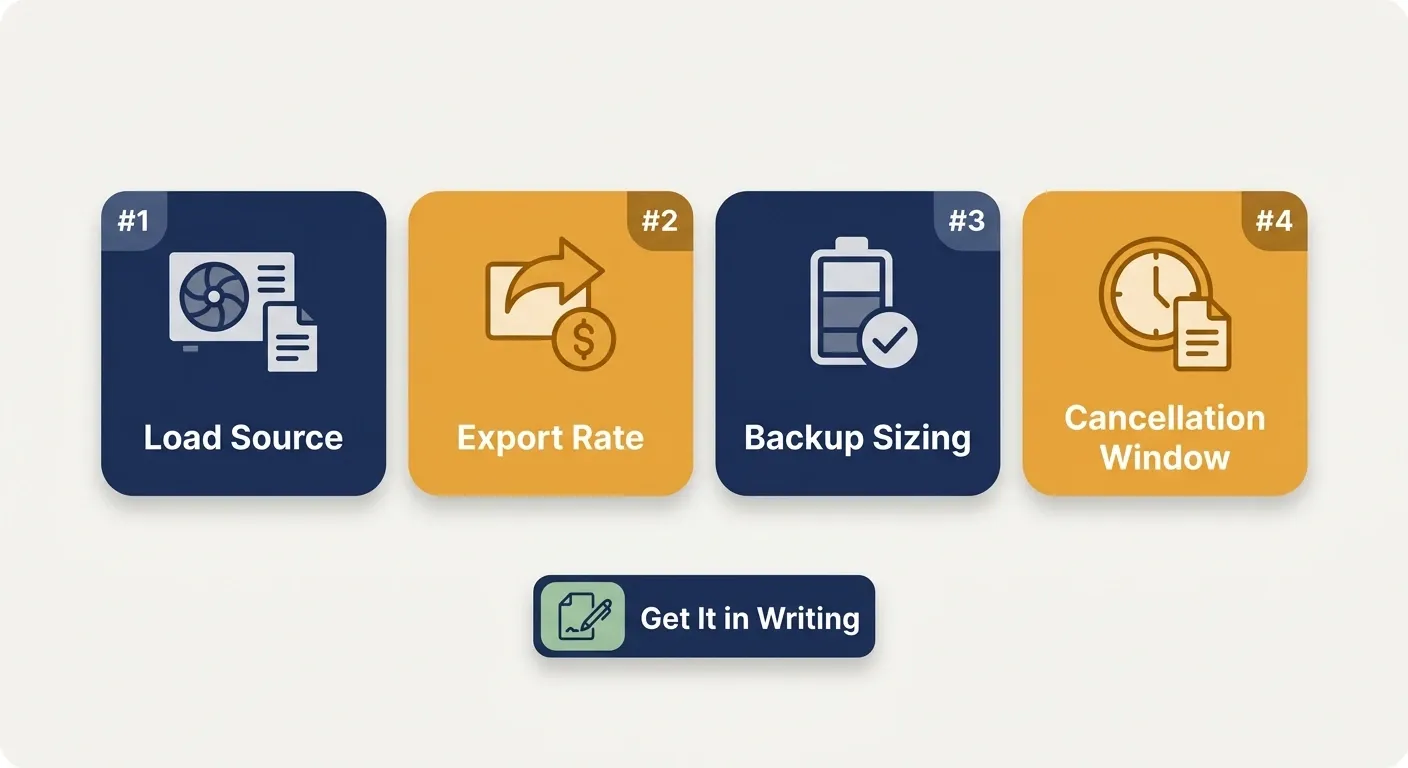
The heat pump's estimated added load, sourced to a Manual J number or your own bill history, not a round increase in panel count.
What your utility currently pays for exported electricity, and whether that rate is scheduled to change, since that number decides whether the added capacity is worth it.
Whether backup, if you're adding it, was sized by a licensed electrician for the heat pump's actual draw, not carried over from an essential-loads assessment made before the heat pump existed.
Your cancellation window, if you're signing at your kitchen table. The FTC's Cooling-Off Rule, read September 18, 2026, gives buyers a federal right to cancel certain contracts signed away from a seller's regular place of business within three business days, with written notice of that right required from the seller. States often add their own rescission periods on top of the federal one, and they vary, so confirming your own state's cancellation deadline before you sign, not after, is the safer order.
None of these four questions costs the installer anything to answer honestly. A proposal that can't answer them is asking you to take the sizing, the payoff, and the safety of the backup system on faith.
Does a heat pump really mean a bigger solar system?
Usually, because a heat pump moves space heating (and sometimes water heating) onto the electric meter, and that draw is typically larger than the air conditioner it replaces. How much bigger depends on your home's heating load and the unit's efficiency, which is why the added load should be calculated from a Manual J estimate or your own bill history, not assumed as a flat increase in panel count.
How many extra panels does a heat pump add?
This page gives no number, on purpose. The added load depends on your climate, your home's heating requirement, and the heat pump's seasonal performance factor, and pinning a figure without those inputs would be a guess dressed up as a fact. Ask your HVAC contractor for the Manual J-based estimate and your solar installer to size against that specific figure.
Should I add a battery when I add the heat pump?
That depends on whether you want backup during an outage and what a licensed electrician finds when they assess your panel capacity against the heat pump's actual draw. A backup system sized for essential loads before the heat pump existed was not sized to also carry it, and adding that load to an unassessed backup circuit risks overloading it. This is sizing work for a licensed electrician, not a homeowner decision.
Does net metering change whether the extra panels are worth it?
Yes. A heat pump's heaviest draw is usually winter, often when solar production is lowest, so whether summer surplus offsets that draw depends on what your utility currently pays for exported electricity. Under an export rate near retail, annual offset is a reasonable target; under a lower export rate, the extra capacity may be worth less than the offset percentage suggests. Check your state and utility's current rules through DSIRE and confirm with your own utility's tariff.
Can I cancel a solar contract if I agree to a bigger system at signing?
The FTC's Cooling-Off Rule gives buyers a federal right to cancel certain contracts signed away from a seller's regular place of business within three business days, with written notice of that right required from the seller. States often add their own rescission periods, and the details vary, so confirm your own state's deadline before you sign rather than after.
A heat pump adds a real electrical load to a home, and sizing solar for it starts with calculating that load, usually from a Manual J estimate, rather than adding a round number of panels. Whether the added capacity pays off depends on your utility's export rate, since a heat pump's heaviest draw is typically winter, when solar production is lowest. Backup power for the heat pump is a licensed electrician's sizing decision, not a homeowner's guess, because a backup system built for essential loads was not built to also carry a heat pump. And if you're signing at your kitchen table, confirm your cancellation window before you sign, because both a federal rule and your state may give you one.
One email a week with new guides, tips, and solar news. Zero fluff, no sales pitch.