Do I Need a Battery With Solar? The Real Trade-Off

United States only. This page cites no statute, names no state, quotes no figure and gives no legal advice. Property recording is state law and your own attorney and title company are the people who can answer for your property.
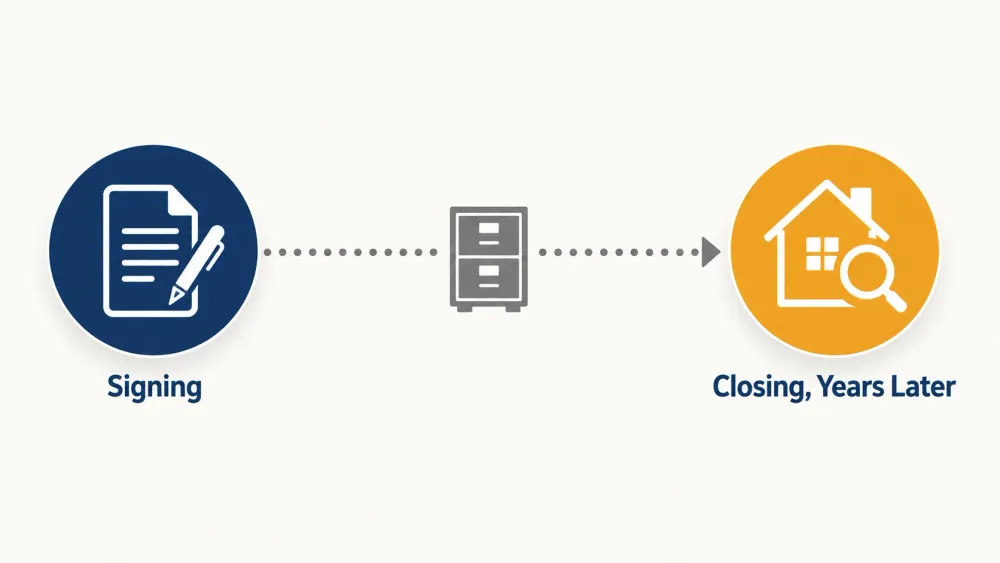
Most people meet this at closing, years after signing, when a title search turns up a recorded filing nobody mentioned. That timing is the problem, and it is avoidable: the filing is disclosed in the contract you sign at the start, in language most buyers do not recognize.
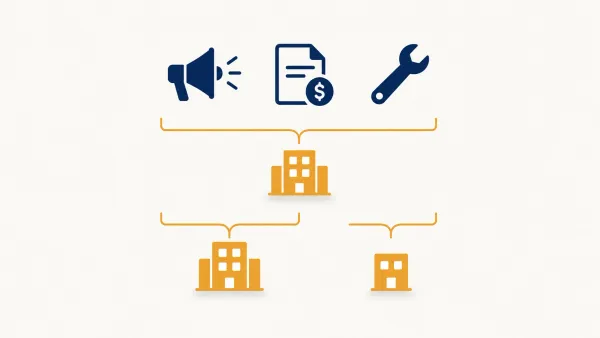
Sorting them matters, because they behave differently and the word covers all four.
A mortgage or deed of trust. A security interest in the real property itself. This is what most people mean by a lien on a house.
A mechanic's or contractor's lien. A claim recorded by a contractor or supplier who has not been paid. Adverse, and it means something went wrong.
A UCC-1 financing statement. A public notice that a lender has a security interest in specified personal property, filed under the uniform commercial code framework that states have adopted. It concerns the equipment, not the land.
A UCC fixture filing. A filing made in the real property records concerning goods that have become fixtures, that is, personal property attached to real estate. This is the one that shows up in a title search on a house with leased or financed solar, and it is what this article is mostly about.
A fixture filing is not a mortgage. It is a notice that somebody has an interest in a specific piece of equipment attached to the building. And it is also not nothing, because it appears in the records a title company searches and it has to be dealt with when the property changes hands.
Because of what solar equipment is and where it sits.
A solar system is expensive equipment permanently attached to a building. A lender or a lessor financing that equipment wants a recorded interest in it, so that their claim is visible and ranked if there is a dispute or a sale.
Which financing arrangement you have decides what gets filed.
A cash purchase normally produces nothing. You own the equipment outright.
A secured solar loan may produce a filing against the equipment.
A lease or a power purchase agreement is the arrangement most likely to produce one, because in those the provider owns the equipment on your roof and has a clear reason to record an interest in it. The difference between leasing and buying determines who owns the system, and ownership is what drives the filing.
An unsecured loan may produce nothing recorded against the property at all, which is one of the differences worth asking about when comparing financing.
Because nothing about it affects you while you live there.
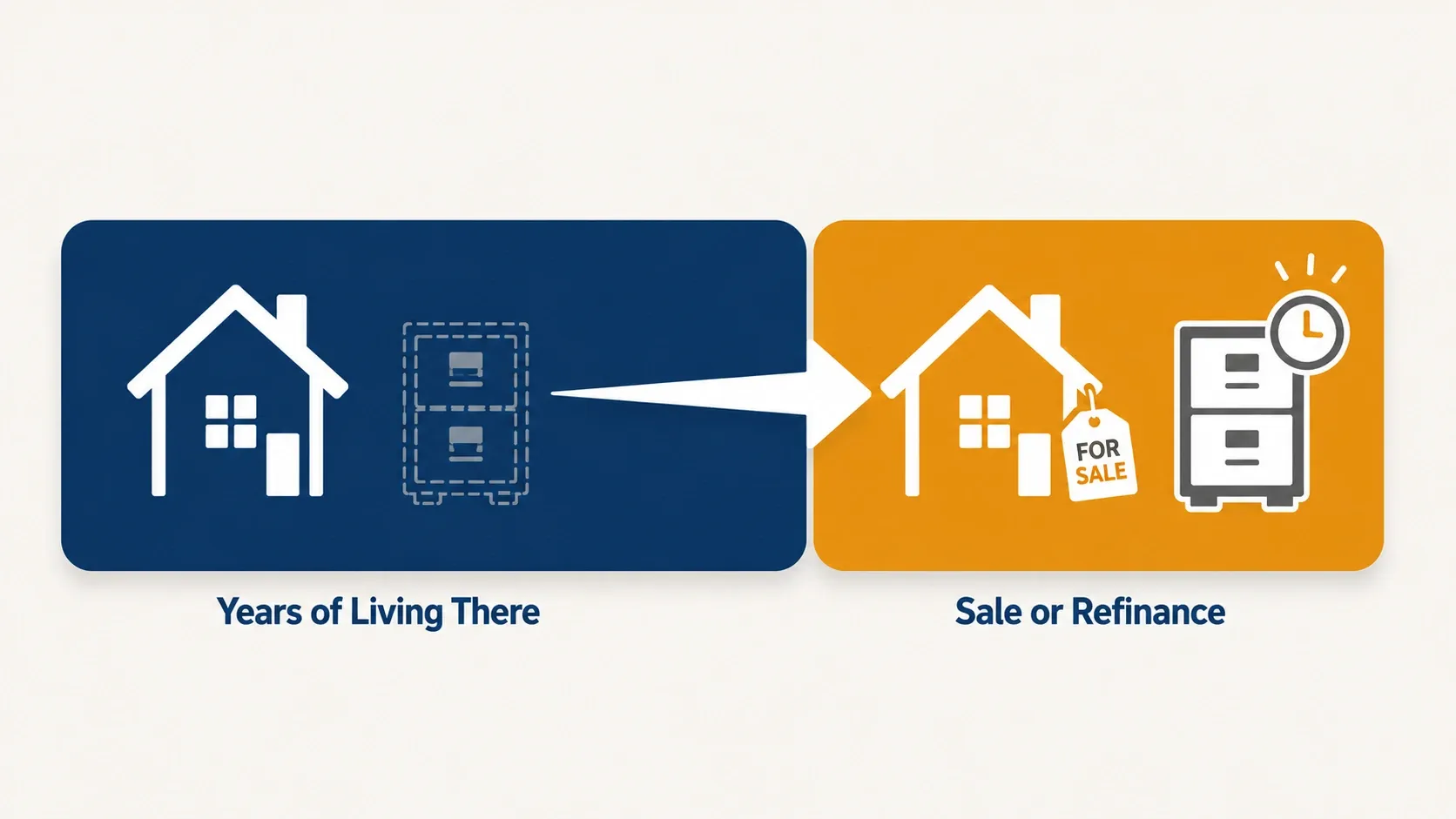
A fixture filing does not stop you using the house, does not appear on a statement, and does not require anything from you month to month. It sits in the records.
Then you sell, or refinance, and a title search finds it. At that point a buyer's lender wants clear title, and the filing has to be addressed: released, subordinated, or the obligation transferred to the buyer, depending on the arrangement and on what the provider will agree to.
That is a negotiation on a deadline, with a buyer waiting, which is the worst possible time to be learning what your solar agreement says.
And it is why this is a pre-signature question, not a pre-closing one.
Five, in writing.
1. Will anything be recorded against my property or my equipment as part of this agreement? If so, what kind of filing, and where will it be recorded?
2. Can I see a sample of the document you would file?
3. What is the process for releasing or transferring it when I sell, how long does it take, and is there a fee? This is the question that matters most and it is almost never asked.
4. What are my options at sale? Typically some combination of transferring the agreement to the buyer, paying it off, or removing the system. Ask what each involves and what it costs.
5. Have you ever had a sale delayed by this, and what happened?
Get all five answered in writing, and add them to the list you take to every meeting. When you set three proposals beside each other, whether each one records anything against your property belongs in the comparison, and reading three proposals side by side is where that difference becomes visible.
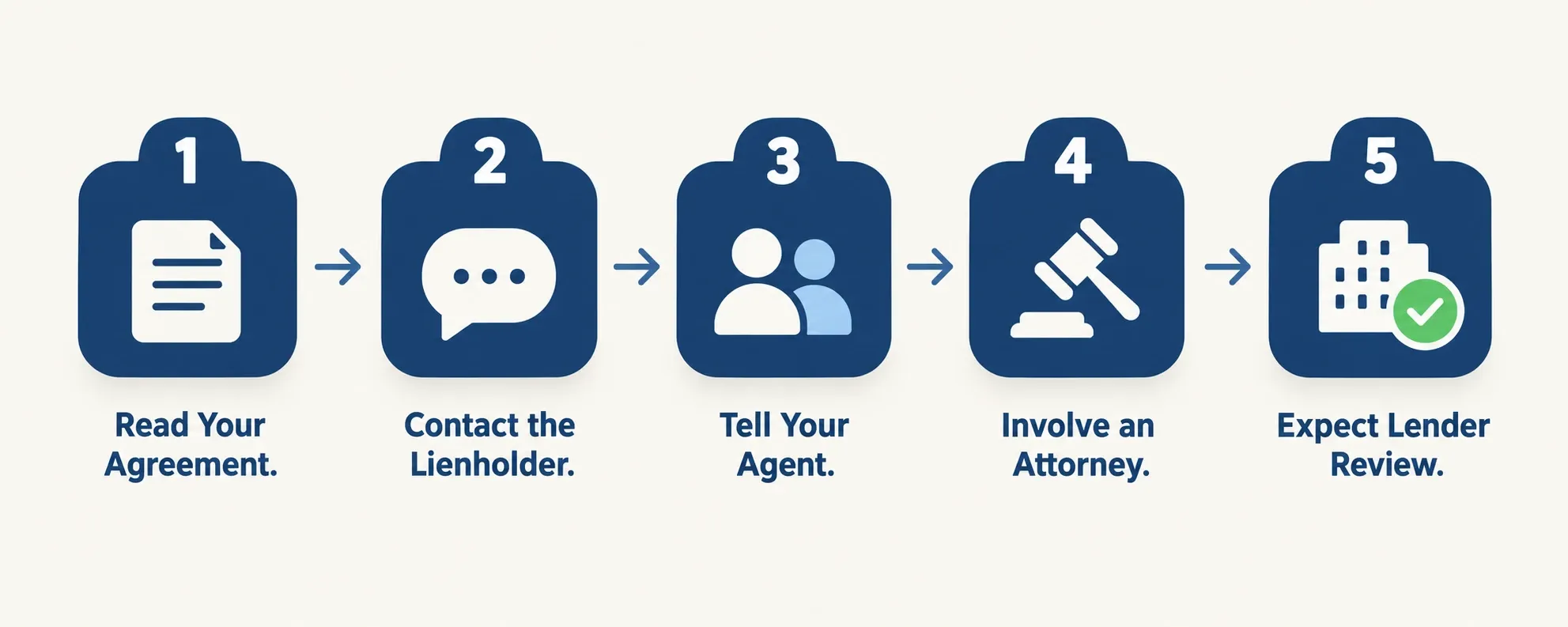
Do not panic, and do not ignore it. It is routine and it has a process. In order:
1. Find your solar agreement and read the sections on assignment, transfer and payoff.
2. Contact the finance company or lessor named in the filing, not your installer, and ask for the transfer or payoff process and the timeline. Start this early, because the timeline is theirs and it is frequently longer than a closing schedule allows.
3. Tell your real estate agent and your title company immediately. They handle these regularly and they will know the local practice.
4. Get a real estate attorney involved if there is any complication. Whether a buyer's lender will accept a transfer, and on what terms, is a question with real money in it.
5. Expect the buyer's lender to have a view. Some are comfortable with a transferred solar agreement and some are not, and that is a factor in what your house is worth to a financed buyer.
We are not going to tell you what your options are for your property, because that depends on your agreement, your state and the buyer's lender. Those three sources will tell you, and they are the right ones.
Honestly, and without a figure, because we have none we could verify.
A system you own outright, with the paperwork available, is straightforwardly an asset. What solar does to a home's value is a real question and ownership is the variable that most affects it.
A leased system with a recorded filing is a more complicated transaction. The buyer inherits a commitment, their lender may have a view about it, and the negotiation is more involved. That is not a reason not to lease, and it is a cost of leasing that belongs in the comparison at the start.
The paperwork is what makes either case go smoothly. Contract, filing details, payoff or transfer procedure, monitoring account, permit and interconnection agreement, all in one place.
"A UCC filing means a lien on my house." Not in the sense of a mortgage. A fixture filing concerns the equipment attached to the property, and it is recorded where a title search will find it. What it means in practice is that it has to be dealt with at sale, not that somebody has a claim on the house itself. Your attorney will tell you what it means for your property.
"I own the system so there cannot be a filing." Check anyway. A secured loan can produce one, and the filing outlives the loan if nobody files a termination. Searching your state's UCC records and your county recorder for your own address is free, and it is worth doing once regardless.
Is a UCC fixture filing the same as a lien on my house? Not in the sense most people mean by the word. A mortgage or deed of trust is a security interest in the real property itself, and that is what most people picture. A fixture filing is a notice that somebody has an interest in specific equipment attached to the building. It is recorded in the real property records, which is where a title search finds it, so it is also not nothing: it has to be dealt with when the property changes hands. What it means for your property specifically is a question for your own real estate attorney, and this page does not answer it.
Which solar financing arrangements actually produce a filing? It follows from who ends up owning the equipment. A cash purchase normally produces nothing, because you own the system outright. A secured solar loan may produce a filing against the equipment. A lease or a power purchase agreement is the arrangement most likely to produce one, because in those the provider owns the equipment on your roof and has a clear reason to record an interest in it. An unsecured loan may produce nothing recorded against the property at all. Ask which applies to the specific agreement in front of you, in writing, before you sign it.
Why did nobody mention it until I tried to sell? Because nothing about it affects you while you live there. A fixture filing does not stop you using the house, does not appear on a statement, and asks nothing of you month to month. It sits in the records until a sale or a refinance brings a title search. At that point the buyer's lender wants clear title and the filing has to be released, subordinated or transferred, depending on the arrangement and on what the provider will agree to. That turns it into a negotiation on a deadline with a buyer waiting, which is why it belongs in the questions you ask before signing rather than in the week before closing.
I am selling and a filing has turned up. What do I do first? Find your solar agreement and read the sections on assignment, transfer and payoff. Then contact the finance company or lessor named in the filing, not your installer, and ask for the transfer or payoff process and the timeline. Start that early, because the timeline is theirs and it is frequently longer than a closing schedule allows. Tell your real estate agent and your title company right away, since they handle these regularly and will know the local practice, and get a real estate attorney involved if there is any complication. Expect the buyer's lender to have a view, because some are comfortable with a transferred solar agreement and some are not.
I paid cash, so there cannot be a filing. Can I confirm that? Check rather than assume. A secured loan can produce one, and a filing outlives the loan if nobody files a termination. Searching your state's UCC records and your county recorder for your own address is free, and it is worth doing once regardless of how the system was paid for.
A fixture filing is a public notice that somebody has an interest in equipment attached to your building, and it is not a mortgage. It usually comes from a lease, a power purchase agreement or a secured loan, and it surfaces at sale rather than at signing, which is why it feels like a surprise. Ask before you sign what will be filed, what the release or transfer process is, how long it takes and what it costs. If you are selling and have found one, contact the finance company early, tell your title company, and get a real estate attorney if there is any complication. Nobody on the internet can tell you what it means for your property, and your attorney can.
One email a week with new guides, tips, and solar news. Zero fluff, no sales pitch.